Like crew socks, hot coffee, and the Great British Bakeoff, retinol is one of those year-round pleasures that peaks in fall. Maybe it’s because we’re already doing things that keep retinized skin happy: moisturizing in layers, minimizing skin exposure, seeing the sun only on weekends. If you’ve been away, now’s the time for reaping high-powered rewards from a low-effort routine. |
|
Our lawyers advised us against the phrase ‘Benjamin Button in a bottle’ (likely for IP reasons), so we’ll just say this: retinol is proven to visibly improve signs of skin aging and slow the rate at which new signs appear. It’s the gold standard anti-ager for a reason. Body skin that shows signs of fine lines and wrinkles, crepiness, slack tone, dark spots or mottled texture becomes, with consistent retinol use, smoother, softer, firmer, and more even in tone. Get consistent now to see retinol’s full suite of results emerge come spring. |
|
Because sunlight and air exposure neutralize its efficacy, retinol must always be kept in the dark, housed in opaque, airtight packaging and applied at night. Happily, retinol is better suited to overnight wear anyway, working in sync with your body’s nightly repair cycle to accelerate processes like collagen production, elastin stimulation, and skin cell turnover. Long autumnal nights ensure a more effective environment for retinol to work its magic undisturbed and at length. |
|
Shocking but true. By propelling skin to rebuild its internal structure, retinol thickens skin, building a strong, resilient moisture barrier over time—one that retains and restocks the necessary levels of hydration to keep skin comfortable, functional, and far away from itchy dehydration. However, this takes dedicated use, and doesn’t mean you can skip moisturizing altogether. |
|
Since skin is already less exposed to the sun or elements, it’s even easier to prevent any chance of initial dryness or sensitization. Now follow these 4 steps and it’s smooth sailing from here: |
|
To start, apply 1 – 3 TIMES a week, increasing the frequency as skin acclimates.
Always apply AT NIGHT (never daytime) to clean, dry skin.
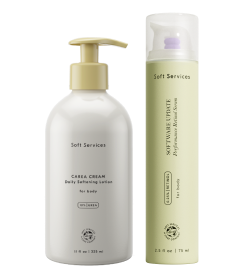
Follow up with an emollient moisturizer like CAREA CREAM. If you’re extra sensitive, apply retinol over your moisturizer to create a buffer.
Apply SPF to any exposed skin the next day, no matter what. |
|
|
|
|
|